Why Choose a Frameless Brushless Motor for Your Next Project?
In the pursuit of innovation, the choice of motor technology can significantly influence project outcomes. The Frameless Brushless Motor stands out as a superior option for various applications. This kind of motor offers a sleek design without traditional enclosures. It enhances compactness and efficiency in your designs.
You might wonder why this motor type is gaining popularity. Its lightweight nature allows for better maneuverability and installation flexibility. Additionally, Frameless Brushless Motors provide high performance with reduced noise, making them preferable in sensitive environments. However, one should consider the manufacturing process, which requires precision and attention to detail.
While the advantages are clear, the transition to Frameless Brushless Motors can pose challenges. Not all projects will benefit equally. It's essential to evaluate specific needs before making a decision. This motor type can open up exciting possibilities, but careful planning and execution are crucial for success. Balancing performance with practical constraints will lead to the best outcomes.
Benefits of Frameless Brushless Motors in Modern Engineering Applications
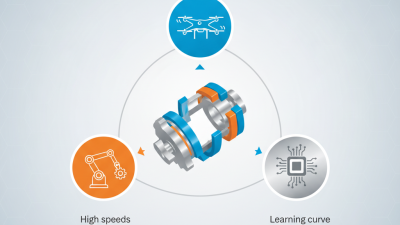
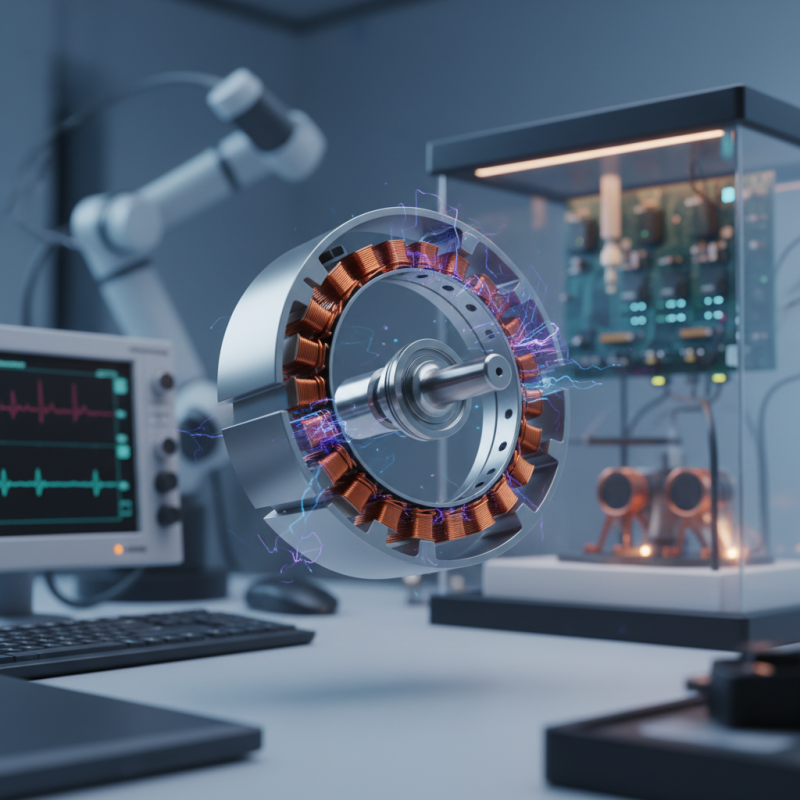
Frameless brushless motors offer distinct advantages in modern engineering applications. Their design eliminates the traditional motor housing, allowing for more compact and flexible integration. This makes them ideal for robotics and drones where space is limited. However, this design choice can complicate cooling and mounting solutions. Engineers must plan carefully to address these challenges.
One significant benefit of frameless motors is their lightweight nature. This can enhance performance in applications requiring precision and speed. Users often report improved efficiency compared to traditional motors. Yet, the lighter weight may lead to vibrations if not managed properly. It requires additional attention in design and application to ensure stability.
Moreover, frameless brushless motors provide exceptional torque and respond quickly to control signals. This responsiveness is critical in automation and aerospace fields. Still, careful calibration is necessary. Overlooking this aspect can result in less precise movements. As engineers evaluate these motors, they must weigh the benefits against potential downsides critically.
Performance Metrics of Frameless Brushless Motors: Efficiency and Torque Analysis
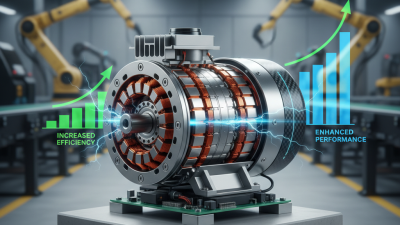
Frameless brushless motors have gained popularity in various applications due to their superior performance metrics. Efficiency is key. These motors allow for higher energy conversion rates compared to traditional brushed alternatives. This means less heat generation and longer operational life. Efficiency ratings often exceed 90%.
Torque analysis reveals that frameless motors provide smoother starts and better speed control. Torque consistency across different speeds is impressive. Users can expect reliable performance in robotics, aerospace, and automotive projects. This reliability reduces the need for constant adjustments.
Tip: When selecting a motor, consider the load requirements. Regularly review the motor's performance metrics as your project evolves. It may be necessary to re-evaluate efficiency needs later.
Another factor to consider is the motor's placement within your design. Poor positioning can affect both efficiency and torque delivery. It’s important to test various configurations for optimal results. There’s a learning curve in understanding these nuances. Make adjustments as needed.
Performance Metrics of Frameless Brushless Motors
Comparative Cost Analysis: Frameless Brushless vs. Traditional Motors
When considering the cost of motors for your next project, frameless brushless motors offer significant advantages. According to a recent industry report, traditional motors can cost up to 30% more in initial investment. This price difference often stems from the additional components required for housing and support systems in traditional designs. Frameless brushless options eliminate these needs, resulting in lower overall costs.
When it comes to long-term savings, frameless motors shine. They are known for their durability and efficiency, leading to a longer lifespan. Studies show they can reduce energy consumption by 20% compared to traditional motors. This efficiency translates into lower operational costs, making them more economical over time.
Tip: Consider the specific requirements of your project. Sometimes, opting for a traditional motor may suit unique needs better. Assessing the application before choosing is crucial.
Tip: Keep an eye on maintenance costs. Though frameless motors have fewer parts, ensuring proper installation is vital for performance. A poorly installed motor can lead to higher costs in the long run.
Not all applications benefit equally from frameless designs. Reflect on potential drawbacks, such as integration challenges with existing systems. Evaluating these factors carefully is essential for a successful project outcome.
Applications of Frameless Brushless Motors in Robotics and Automation
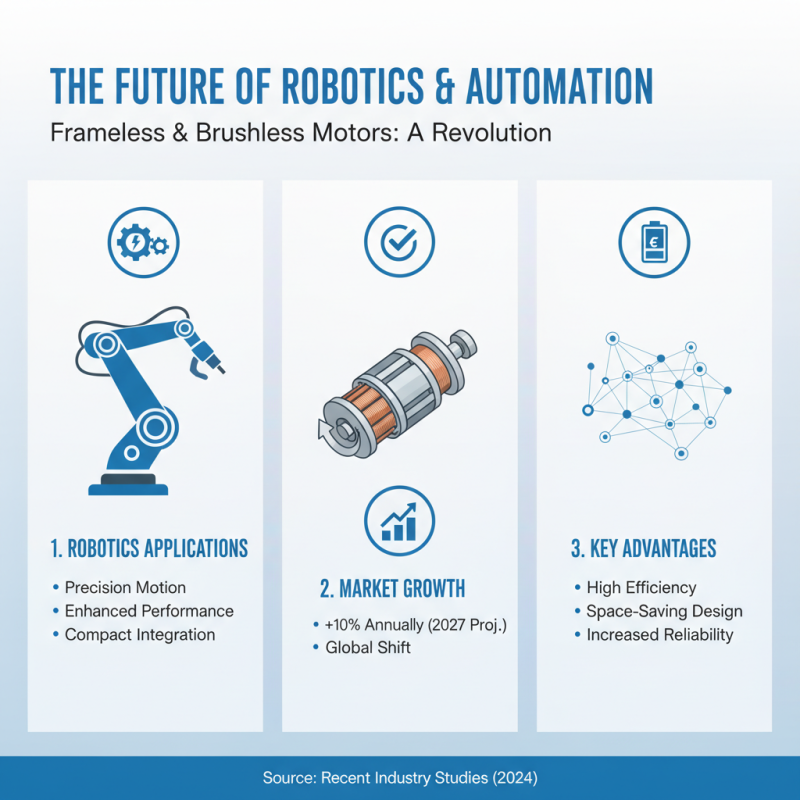
Frameless brushless motors are gaining traction in robotics and automation. They offer high efficiency and compact designs. Robotics applications especially benefit from these motors. They enable precise movements and robust performance. According to recent studies, the global brushless motor market is expected to grow by 10% annually until 2027. This growth signals a shift toward more effective motor solutions.
In automation, frameless brushless motors play a key role. They provide the reliability needed for repetitive tasks. Data shows that automation equipment incorporating these motors can improve productivity by up to 30%. In manufacturing sectors, this means less downtime and reduced energy consumption. However, challenges exist in integrating these motors into existing systems. Engineers must often rethink designs to incorporate frameless solutions effectively.
The versatility of frameless motors is remarkable. From drones to robotic arms, their applications are widespread. Despite the advantages, some projects may face cost concerns and technical limitations. It's essential to weigh these factors carefully. Adapting to the latest technologies can lead to greater innovation. Yet, not all projects benefit equally from this transition. Individual project goals should guide the choice of motor type.
Future Trends in Frameless Brushless Motor Technology and Innovation
Frameless brushless motor technology continues to evolve. Many applications benefit from this innovation. Compact design is one major advantage. These motors eliminate the traditional housing, allowing for more creative designs. This appeal is especially strong in robotics and aerospace sectors.
Future innovations focus on efficiency and power density. As technology advances, we expect improvements in thermal management. Better cooling solutions will enhance motor performance. Smaller, lighter designs are also on the horizon, making them suitable for portable devices. However, challenges remain.
Manufacturers need to balance performance and cost. Not all applications require high-end solutions. Sometimes, mid-range options are sufficient. It’s crucial to assess specific project needs. With ongoing research, more breakthroughs will likely emerge. Decisions about which technology to adopt become complex. Every project demands careful consideration of these factors.
Why Choose a Frameless Brushless Motor for Your Next Project?
| Feature |
Frameless Brushless Motor |
Traditional Brush Motor |
| Efficiency |
High Efficiency (up to 90%+) |
Lower Efficiency (70%-80% range) |
| Size |
Compact and Lightweight |
Bulkier due to framing components |
| Maintenance |
Low Maintenance |
Requires Regular Maintenance |
| Noise Level |
Quiet Operation |
Higher Noise Levels |
| Durability |
Longer Lifespan |
Shorter Lifespan due to wear on brushes |