What is an Isolation Switch and How Does it Work?
Isolation Switches are critical components in electrical systems, offering safety and efficiency. These devices allow operators to disconnect parts of a circuit, reducing the risk of accidental energization during maintenance. According to a recent report from the Electrical Safety Foundation International, proper use of isolation switches can decrease maintenance-related accidents by up to 40%. This statistic emphasizes their importance in industrial applications.
Expert James O’Connor, a leading figure in electrical safety, remarked, "An effective isolation switch can be the difference between a streamlined operation and a catastrophic event." His words underscore the necessity for organizations to prioritize safe practices. Despite their benefits, many users overlook the proper installation and regular testing of these devices, leading to potential risks.
Incorporating isolation switches into operational protocols is not just about compliance but ensuring personnel safety. The industry still grapples with awareness and training deficits. As companies evolve, addressing these shortcomings becomes crucial for minimizing incidents. The dialogue around isolation switches needs to shift from basic comprehension to active implementation and vigilant monitoring.
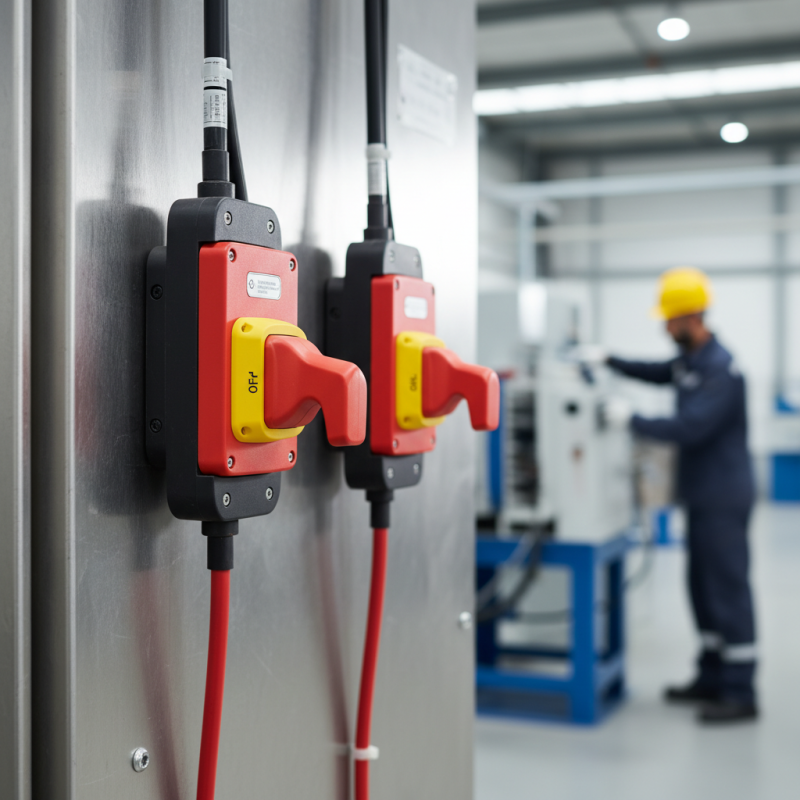
What is an Isolation Switch?
An isolation switch is a crucial component in electrical systems. It is designed to disconnect a circuit or equipment from its power source. This switch ensures safety during maintenance or emergencies by preventing electrical flow. When activated, all current is stopped, allowing technicians to work without risk.
These switches come in various designs and sizes. They can be found in homes, industries, and power plants. Each type serves a distinct purpose. For instance, a simple residential isolation switch may be small and easy to operate. In contrast, industrial versions are larger and built for heavy-duty use. However, their complexity can lead to errors if not understood properly.
Understanding how an isolation switch works is important. It may look simple, but the mechanism can be intricate. Sometimes, users misinterpret its functionality. They might not realize the importance of regular maintenance. This step is vital to ensure the switch operates correctly. Users should remember that neglecting this aspect can lead to potential hazards. Acknowledging these imperfections can help improve safety practices.
Purpose and Functionality of Isolation Switches
Isolation switches play a crucial role in electrical systems. They serve as the first line of defense. Their primary purpose is to ensure safety during maintenance. When power needs to be shut off, these switches do the job effectively. They disconnect power sources from circuits. This process protects workers from potential electric shock.
The functionality of isolation switches is straightforward. They can be manually operated or automatic. Manual switches require human intervention for operation. Automatic ones trigger based on specific conditions. This reliability is key in many industrial settings. However, isolation switches are not foolproof. Occasionally, maintenance teams may forget to engage them. This oversight can lead to dangerous situations. Regular training and reminders are essential for safety compliance.
In summary, isolation switches are vital tools for electrical safety. Their proper use can prevent accidents and protect lives. Yet, organizations must continuously emphasize their importance. Regular checks and personnel training are needed to maintain a high safety standard. The balance between technology and human diligence is crucial.
Isolation Switch Usage in Electrical Systems
This chart illustrates the distribution of isolation switch usage across various sectors in electrical systems. The residential and commercial sectors use the highest percentage of isolation switches, reflecting their importance in ensuring safety and efficient power management.
Types of Isolation Switches and Their Applications
Isolation switches play a crucial role in electrical safety. They disconnect electrical circuits for maintenance. There are various types of isolation switches. Each type suits specific applications.
One common type is the rotary isolation switch. It allows for easy manual disconnection from the power source. These switches are often used in industrial settings. Their design is straightforward, making them reliable. However, they may lack advanced features found in modern switches.
Fuse isolation switches are another type. These are integrated with fuses for additional protection. They help prevent overload situations. Many engineers appreciate this feature. Still, reliance on fuses can create delays during maintenance. Frequently replacing fuses can cause inconvenience.
Overall, understanding these types is essential for safe electrical practices. Each switch has unique features and limitations. Their effectiveness largely depends on proper installation and regular checks. Careful consideration is needed when selecting the right switch for specific needs.
How Isolation Switches Enhance Safety in Electrical Systems
Isolation switches play a crucial role in electrical safety. They allow for safe disconnection of electrical circuits from the power source. This is essential during maintenance and emergencies. According to the Electrical Safety Foundation International, proper isolation can reduce electrical accidents by over 50%.
These switches enhance safety by preventing accidental re-energization. When a circuit is isolated, the risk of shock is significantly reduced. They provide visual and physical confirmation that a circuit is de-energized. This feature is vital for technicians working on high-voltage systems. Data from the National Fire Protection Association highlights that proper isolation practices can prevent up to 30% of electrical fires.
Tip: Always check the isolation status before performing maintenance. Don't assume a circuit is off; verify it.
Inadequate training on using isolation switches can lead to errors. A report from the Occupational Safety and Health Administration shows that nearly 30% of electrical injuries occur during maintenance. Regular training is essential to ensure safety and effective use of these devices.
Tip: Consider conducting safety drills to reinforce isolation switch protocols. Education is key to preventing accidents.
Installation and Maintenance of Isolation Switches
Isolation switches play a crucial role in electrical systems. They provide a safe method to disconnect power during maintenance. Proper installation is vital to ensure they function correctly.
When installing an isolation switch, choose a location that is easily accessible. It should be mounted securely. The wiring must comply with local codes. Those codes can vary, adding complexity to the installation process. Regular inspections can reveal hidden issues. Sometimes, switches may show signs of wear, like discoloration or difficulty turning.
Maintenance is often overlooked. Checking the switch periodically helps prevent failures. Cleanliness is key; dust and debris can cause problems. Over time, connections can loosen, affecting performance. It's a reminder to always prioritize safety. Lack of attention can lead to accidents. Ignoring these details may result in costly repairs.
What is an Isolation Switch and How Does it Work? - Installation and Maintenance of Isolation Switches
| Dimension | Description | Importance | Maintenance Tips |
| Type | Mechanical, Electronic, or Hybrid | Determines application suitability | Inspect regularly for wear and tear |
| Voltage Rating | Rated for specific voltage levels | Ensures safe operation | Check for compliance with local standards |
| Current Rating | Maximum continuous current | Prevents overload conditions | Ensure rating matches system requirements |
| Installation Location | Indoor or outdoor, humidity levels | Affects performance and lifespan | Use weatherproof enclosures if outdoors |
| Safety Features | Lockout/tagout options, clear indicator lights | Enhances operator safety during maintenance | Regularly test safety features for functionality |