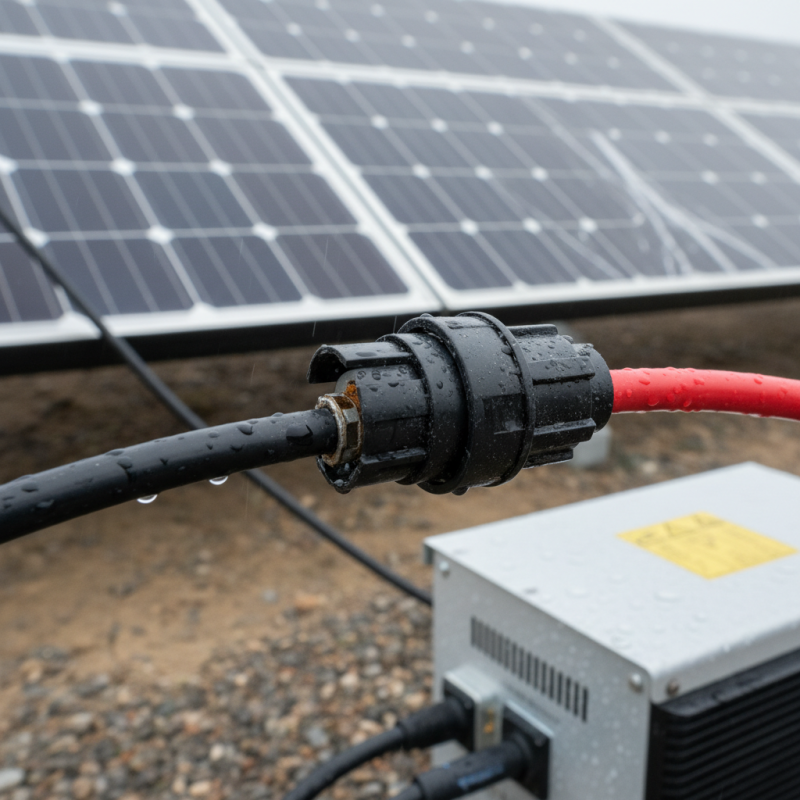
What is a Photovoltaic Connector and How Does It Work?
Photovoltaic connectors play a crucial role in solar energy systems. These connectors link solar panels to inverters and other components. They ensure reliable electrical connections, which are essential for optimal solar performance.
The design of photovoltaic connectors is made to withstand harsh weather. They resist moisture, dust, and UV radiation. Yet, some connectors may degrade over time. This can impact efficiency and safety. Users should check connectors regularly for signs of wear.
In the world of renewable energy, understanding photovoltaic connectors is vital. They are small yet mighty components. A deeper knowledge can enhance solar system effectiveness. However, consumers sometimes overlook their importance. Reflecting on this can lead to better maintenance practices.
What Are Photovoltaic Connectors?
Photovoltaic connectors play a crucial role in solar energy systems. They are specialized electrical connectors that link solar panels to inverters and other system components. Made from durable materials, these connectors are designed to withstand harsh weather conditions. They ensure safe and efficient electricity transfer.
When choosing photovoltaic connectors, look for ones that meet industry standards. Reliable connectors can prevent system failures and improve performance. Pay attention to their locking mechanism; it should secure the connection firmly. A loose connection can lead to energy losses or even safety hazards.
Tips: Always inspect connectors regularly. Look for wear and tear, especially after storms. Ensure they are free from debris and corrosion. This maintenance can prolong the lifetime of your solar energy system.
An important aspect of photovoltaic connectors is their ease of use. Many are designed for quick connection and disconnection. However, some users struggle with proper alignment. Misalignment may cause operational issues. Take the time to understand the connector design to avoid potential pitfalls.
The Importance of Photovoltaic Connectors in Solar Systems
Photovoltaic connectors are critical components in solar energy systems. They ensure reliable connections between solar panels and inverters. A study by the National Renewable Energy Laboratory found that poor connections can lead to power losses of up to 20%. This underscores the need for high-quality connectors in solar installations.
The design and durability of photovoltaic connectors greatly impact the overall efficiency of solar systems. These components must withstand harsh weather conditions. Inappropriate materials can lead to corrosion, degradation, and ultimately failures. According to recent industry reports, the global photovoltaic connector market is expected to reach $1.2 billion by 2025. This growth highlights the increasing recognition of their importance in maintaining system efficiency.
In many cases, installers may overlook the significance of using standardized connectors. Compatibility issues can arise if different brands are mixed. This can complicate maintenance in the long run. The lack of standardized testing methods further complicates the selection process. Each project must carefully consider the choices made regarding connectors. Ensuring long-term effectiveness can be a struggle when proper measures are not taken.
How Photovoltaic Connectors Function in Electrical Circuits
Photovoltaic connectors are essential for building effective solar energy systems. They create secure connections between solar panels and inverters, ensuring efficient energy transfer. These connectors are designed to withstand harsh weather conditions, ensuring durability. They usually consist of two parts: the male and female connectors. When connected, they form a tight seal, minimizing energy loss.
In electrical circuits, photovoltaic connectors play a crucial role in maintaining voltage and current levels. They must be heat-resistant and capable of handling high voltages. Poor quality connectors can lead to significant energy loss. Faulty connections may cause excessive heat build-up, potentially damaging components. This highlights the need for regular checks on these connections.
Tips: Always choose connectors rated for high voltages. Inspect your connections periodically for wear or damage. Even a small issue can lead to bigger problems. Remember, investing in quality connectors pays off in energy efficiency.
Types of Photovoltaic Connectors Used in Solar Panels
Photovoltaic connectors play a crucial role in solar energy systems. They ensure reliable connections between solar panels and other components, impacting overall system efficiency. Different types of connectors can affect installation time and performance. The most common types are MC4 connectors and Tyco connectors. According to a report by the Solar Energy Industries Association, these connectors are designed to withstand harsh weather conditions.
MC4 connectors are the industry standard for solar panels. They feature a male and female pairing that allows for easy connection and disconnect. They are waterproof and resistant to UV radiation, enhancing their longevity. Conversely, Tyco connectors may offer higher robustness but often come at a higher cost. Installation experiences can vary, and improper connections can lead to significant power loss.
Furthermore, it's essential to consider the compatibility of these connectors with panel designs. This aspect may not always meet the expectations of users. Data from a recent market analysis suggests that around 15% of installations experience connector-related issues. These issues can lead to delays in energy production. Thus, while the choice of connector seems straightforward, it requires careful consideration to avoid problems later.
Best Practices for Installing and Maintaining Photovoltaic Connectors
Photovoltaic connectors are vital for solar energy systems. Proper installation and maintenance ensure efficiency and longevity. It's crucial to use high-quality connectors designed for outdoor use. They must withstand UV exposure, moisture, and temperature variations.
When installing, always follow the manufacturer's instructions. Use the appropriate tools for crimping and securing connections. Double-check each connection for tightness. Loose connections can lead to power loss or even fires. Inspect regularly for wear and tear. Look for discolored or damaged connectors as indicators of issues.
Additionally, keeping connectors clean is important. Dust and debris can hinder performance. A simple wipe with a damp cloth can make a difference. It's also wise to document maintenance activities. This helps in tracking the performance over time. Neglecting these details might result in costly repairs later on.