Why Choose a Brushless Electric Motor?

Choosing a Brushless Electric Motor is less about chasing a fashionable specification and more about matching the motor to real work. A small pump, a cordless drill, and an electric bicycle place very different demands on speed, torque, heat, and battery life. Brushless designs replace mechanical brushes with electronic commutation, reducing contact wear and often improving efficiency. The result can be quieter operation and less routine maintenance. Not magic, though.

Electric-drive researcher Dr. John M. Miller has written extensively about electric propulsion and power management. A fair paraphrase of his engineering perspective is: “Match the motor to the load, not just the nameplate.” That distinction matters. A motor running near its intended operating range may use energy more effectively than one selected from peak power alone. Check the controller, supply voltage, cooling, and expected duty cycle together. A motor that looks ideal on a product page can run hot when installed in a cramped enclosure.

The right choice also depends on cost, control complexity, and repair needs. Brushless systems usually require an electronic controller, and that adds components to evaluate. For a fan operating steadily, the trade-off may be worthwhile; for a simple, low-cost device, perhaps not. Measure the actual load if possible. Listen for vibration, watch operating temperature, and review manufacturer test data. Small compromises remain. Real installations rarely match perfect laboratory conditions.
Why Choose a Brushless Electric Motor?

What Is a Brushless Electric Motor?

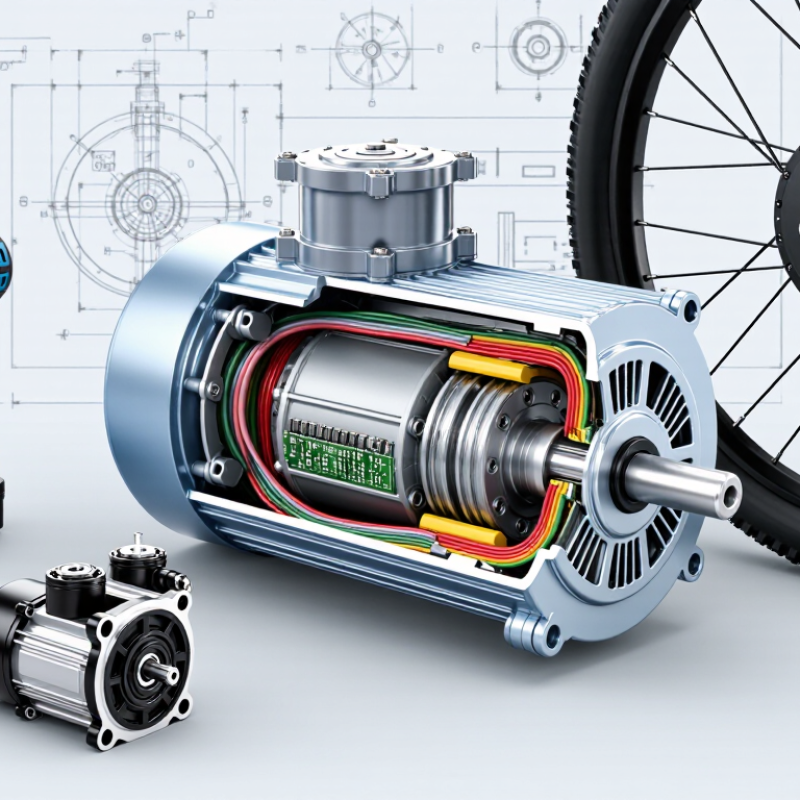
A brushless electric motor turns electrical energy into rotation without sliding carbon brushes. In a typical brushless DC design, copper coils sit in the stationary stator, while permanent magnets are fixed to the rotor. An electronic controller energizes the coils in sequence, creating a moving magnetic field that turns the rotor. Sensors, or feedback from the motor’s electrical signals, help the controller track rotor position.

No brushes to replace.

This design matters in equipment that runs for long periods, such as fans, pumps, and power tools. Fewer brush-related wear points can mean less routine maintenance, and electronic control allows speed adjustment.

The U.S. Department of Energy’s Improving Motor and Drive System Performance: A Sourcebook for Industry estimates that motor-driven systems account for about 68% of U.S. manufacturing electricity use. That figure describes industry-wide systems, not a guaranteed saving from brushless motors.

The controller also adds cost and complexity, and heat or poor control settings can reduce performance. Brushless does not mean maintenance-free; bearings and cooling still need attention.

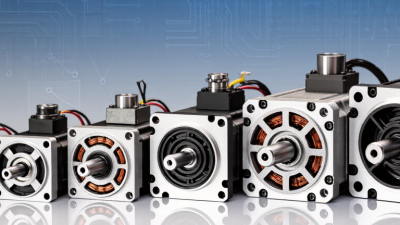
How Does a Brushless Motor Produce Motion?

A brushless electric motor creates motion by coordinating magnetic fields. Its stator stays fixed and contains coils of wire; its rotor turns and usually carries permanent magnets. When the controller sends current through selected coils, they become temporary electromagnets. Their changing magnetic poles pull and push against the rotor’s magnets, producing torque.

That timing matters. The controller switches current from one coil group to another as the rotor turns, making the magnetic field appear to rotate. The rotor follows that moving field, much like a compass needle responding to a shifting magnet.

No brushes rub. Rotor position may be measured with sensors, or estimated from electrical signals generated as the rotor spins. Both methods help the controller choose when to energize each coil.

In a real motor, the handoff between coil groups is not perfectly smooth in every design. At low speed, some motors may feel less even or produce audible electrical noise. Still, removing brushes avoids one source of rubbing contact and wear. Heat, bearings, and controller settings also affect performance, so “brushless” does not mean maintenance-free. A useful sign of good coordination is steady acceleration under load, without sharp surges or excessive warmth.

What Advantages Do Brushless Motors Offer?

A brushless motor uses electronic controls to switch current through its windings, rather than relying on brushes that rub against a rotating commutator. With fewer contact parts wearing down, it can need less routine maintenance and often lasts longer under comparable operating conditions. That difference matters in a drill used repeatedly during a workday, where worn brushes can mean downtime.

Less heat matters.

Reduced friction can also improve efficiency, helping a battery-powered tool run longer between charges. The exact gain depends on the motor, controller, load, and cooling, so efficiency figures alone do not tell the whole story.

Electronic commutation allows precise speed control and strong torque across a useful operating range. In a fan, for example, smoother adjustment can help match airflow to the room instead of running at full speed. Brushless motors can also run more quietly because there is no brush contact, though bearings and airflow still make noise.

Not magic.

A brushless system needs compatible control electronics, which can add cost and make troubleshooting less straightforward. It is easy to focus on longer life and overlook that trade-off. For equipment used only occasionally, a simpler motor may be the more practical choice; for frequent use, reduced wear and better control may justify the added complexity.

Where Are Brushless Motors Commonly Used?

Brushless motors appear wherever compact size, controllable speed, and reduced maintenance matter. In electric vehicles, they drive traction systems and cooling pumps; in workshops, they power cordless tools. You will also find them in ventilation fans, refrigerator compressors, robotic joints, and camera gimbals. Small details matter. A fan may run quietly for hours, while a drill needs sharp bursts of torque.

The International Energy Agency’s 2011 report on electric motor-driven systems estimated that these systems use about 46% of global electricity. That figure covers all motor types, not brushless motors alone, but it shows why efficient motor design matters across factories, buildings, and transport. In another sign of demand, the IEA reported nearly 14 million electric car sales in 2023, around 18% of global car sales. Many electric vehicles use electronically commutated traction motors, though their designs vary.

Brushless motors suit applications needing precise speed control and frequent starts, such as medical pumps, 3D printers, and automated equipment. Their electronic controllers add cost and complexity, and some designs rely on magnets with supply-chain considerations. Not everywhere, though. For a simple device with steady operation and tight upfront costs, a brushed motor may still make sense. The right choice depends on the actual load, operating hours, and service environment.

Why Choose a Brushless Electric Motor? Where Are Brushless Motors Commonly Used?

Common Application Typical Equipment Why a Brushless Motor Is Used Practical Consideration
Computer and electronics cooling Computer fans, server fans, and small cooling blowers Electronic commutation avoids brush wear and supports compact, continuous-duty operation. The motor needs an electronic controller; fan speed may be controlled by adjusting the drive signal.
Power tools Cordless drills, impact drivers, and saws High power relative to motor size and the absence of brushes can reduce routine motor maintenance. Performance depends on the motor controller, battery, and tool cooling design.
Drones and model aircraft Multirotor propeller drives and small aircraft propulsion Low motor mass and precise electronic speed control suit applications where weight and fast response matter. The motor is paired with an electronic speed controller matched to the motor and propeller load.
Electric bicycles and scooters Hub motors and centrally mounted traction motors Brushless designs provide controllable torque and avoid brush replacement during normal operation. Battery management, controller settings, and heat dissipation affect range and performance.
Electric and hybrid vehicles Traction drives, electric pumps, and cooling fans Brushless permanent-magnet and other electronically commutated motor designs can provide efficient, controllable drive. Motor type and performance vary by vehicle design; the power electronics and thermal system are essential parts of the drive.
Heating, ventilation, and air conditioning Air handlers, ventilation fans, and circulation blowers Electronically controlled motors can adjust speed to match airflow demand, which may reduce energy use compared with fixed-speed operation. Actual energy savings depend on the system, operating schedule, and control settings.
Pumps and household appliances Water pumps, washing machines, and refrigeration equipment Variable-speed control can help match motor output to changing flow, load, or cooling requirements. Electronic controls add components and require suitable protection from moisture, heat, and electrical disturbances.

What Factors Matter When Choosing a Brushless Motor?

Why Choose a Brushless Electric Motor?

When choosing a brushless motor, start with the real load, not the highest advertised speed. Estimate the torque needed to move your mechanism, including its weight and friction. Then check the motor’s continuous rating; a brief peak rating will not tell you how it performs during a long work cycle. Match the motor to a compatible controller and power supply, too. Voltage, current limits, and control settings all affect operation.

Consider the physical fit and working environment. Measure the shaft, mounting holes, and available space before ordering. Measure the shaft. A motor that fits on paper may still need extra room for wiring or cooling. Dust, vibration, and repeated starts can also influence your choice. If accurate speed control matters, check whether the motor and controller support suitable feedback. There is no perfect choice; a slightly larger motor may run cooler, but it may add unwanted weight. That trade-off deserves a second look.

Tips: Compare continuous torque, not just peak numbers. Check the controller’s current limit and confirm the motor can shed heat in its intended position. If the application changes speed often, test the setup under its actual load before relying on it. Small details matter.

Why Choose a Brushless Electric Motor?

Typical Efficiency Ranges: Brushed DC vs. Brushless DC (BLDC)

Brushless motors commonly achieve higher efficiency because they avoid brush friction and electrical contact losses. These indicative ranges are not guaranteed specifications: actual efficiency depends on motor design, load, speed, controller, and operating conditions.