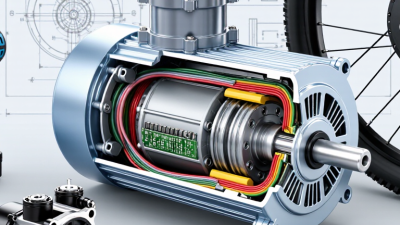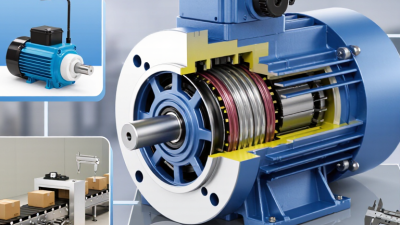
Choosing China’s best high-torque brushless motor manufacturer takes more than comparing peak torque figures. A motor may look powerful on paper, yet overheat under continuous load or lose performance at low speed. Buyers should check torque curves, rated duty, thermal limits, efficiency, and test conditions. Small details matter: a gearbox, controller, or cooling method can change the result.
The International Energy Agency’s Global EV Outlook 2024 projected more than 17 million electric car sales worldwide in 2024, signaling continued growth in electrified drive systems. That trend does not prove demand for any one motor type, but it raises the value of dependable motor suppliers. For a Brushless Motor High Torque application, published test data and traceable quality practices are more useful than broad claims. Look for evidence from the actual operating range.
Motor-design author Duane C. Hanselman’s Brushless Permanent Magnet Motor Design emphasizes the role of magnetic design in motor performance. Put simply, torque is not created by a label alone; winding choices, rotor geometry, control, and heat management all matter. This is a paraphrase, not a direct quotation. One limitation: public specifications rarely reveal how a motor performs after prolonged use. A careful comparison should therefore ask manufacturers for duty-cycle test results, customization records, and clear warranty terms—not just a headline torque number.
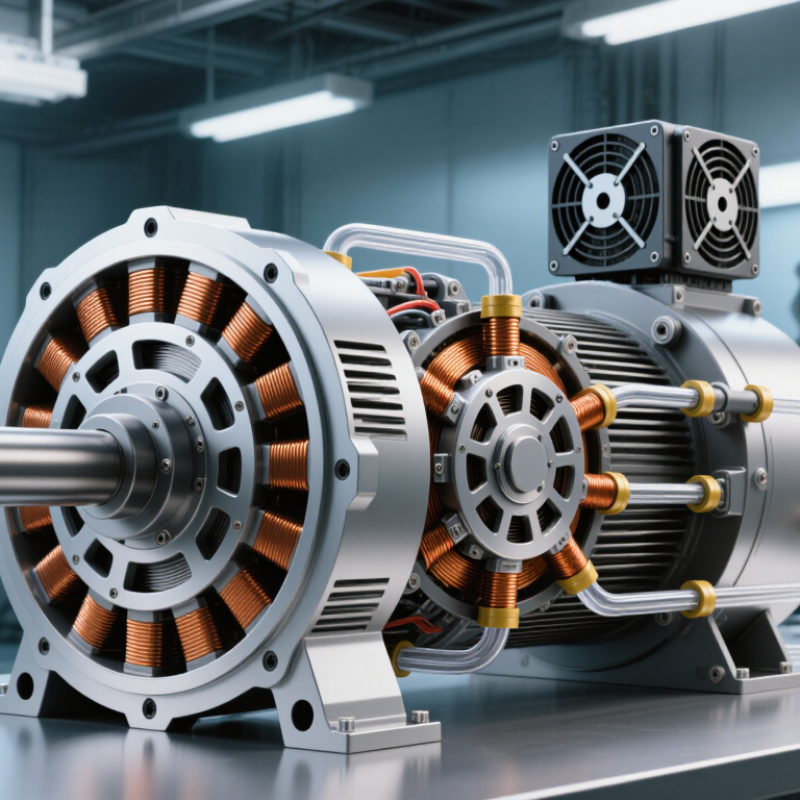
A high-torque brushless motor produces strong turning force, often at lower speeds. Its performance depends on more than motor size. Winding design, magnetic strength, current, and cooling all affect usable torque. A compact motor may deliver impressive force briefly, then overheat under continuous load.
Heat matters. A torque chart is useful, but it can hide this limitation.
When comparing motors, check continuous torque alongside peak torque, speed range, and rated current. Match these figures to the actual load, such as a conveyor starting with a full belt or a robotic joint holding position. The controller and power supply also need to support the required current.
I would not treat a peak-torque figure as the whole story. It may describe a short test, not a normal work shift. Mounting space, vibration, and operating temperature deserve attention too; these details are easy to miss during early selection.
A practical test under the real load can reveal issues that a specification sheet cannot.
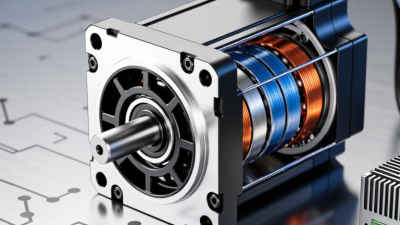
China Best High Torque Brushless Motor Manufacturer?
A high-torque brushless motor should be assessed by its torque-speed curve, not one peak-torque figure. Check continuous torque, peak torque, and the permitted peak duration. A motor rated for 2 N·m briefly may not sustain that load through a full production cycle. Details matter.
Match the rated speed and torque to the real load. A conveyor starting with a heavy payload needs strong low-speed torque; a spindle may need stable output at higher speeds. Check winding temperature limits, cooling method, and duty cycle. Heat is often the constraint. Also verify the controller’s current limit, since insufficient current can prevent the motor from reaching its specified torque.
Efficiency deserves careful comparison. The U.S. Department of Energy’s Improving Motor and Drive System Performance: A Sourcebook for Industry reports that motor-driven systems account for about 54% of U.S. industrial electricity use. That figure describes systems, not a single motor, but it shows why losses matter. Request test conditions and efficiency data, then compare results using consistent methods, such as those in IEC 60034-2-1. I would still question any specification sheet that omits temperature, voltage, or test duration.
China’s high-torque brushless motor manufacturing landscape combines established component supply chains with varied engineering capabilities. Manufacturers may source magnets, laminations, bearings, and drive electronics from nearby suppliers, helping shorten development cycles. But a dense supply network does not guarantee consistent performance. Buyers should examine winding quality, rotor balance, thermal design, and production controls—not just peak torque figures.
High torque often comes from careful electromagnetic design, suitable materials, and effective heat management. A compact motor may perform well during a brief test yet overheat under continuous load. Ask for operating curves, temperature-rise data, and test conditions. Details matter. A torque value without speed, voltage, or duty cycle is difficult to compare. Sample testing can reveal vibration, noise, or control issues that a datasheet misses.
The landscape also includes factories with different strengths: some focus on custom prototypes, while others prioritize repeatable volume production. Confirm how engineering changes are documented and how incoming components are checked. Visit or audit where practical; a polished presentation is not the production floor. Even a careful assessment has limits, since supplier capacity and quality can shift over time. A useful discussion starts with the real application: load profile, available space, cooling method, and expected service life.
China Best High Torque Brushless Motor Manufacturer?
How to Evaluate a Chinese Motor Manufacturer
Choosing a high-torque brushless motor supplier starts with test evidence, not catalogue claims. The IEA’s 2011 report, Energy-Efficiency Policy Opportunities for Electric Motor-Driven Systems, estimates that motors use about 45% of global electricity. The U.S. Department of Energy’s motor-system guidance cites roughly 69% of industrial electricity use in the United States. These figures make efficiency and operating heat practical purchasing concerns. Numbers matter.
Request a dynamometer report showing torque-speed curves, efficiency, current, and winding temperature at your voltage and duty cycle. Compare results under identical conditions. Ask how the factory controls magnet placement, winding resistance, rotor balance, and final inspection. A sample that performs well once is not enough. Check whether production records link test results to each batch, and whether the supplier can explain failures and corrective actions.
A factory visit can reveal more than a polished presentation: inspect winding stations, calibration labels, and finished-motor test benches. Ask for sample units from normal production, then test them independently. I would not treat a certificate as proof of consistent performance; it may cover a process, not your exact motor. This is easy to overlook. Confirm lead times, spare-part availability, and engineering response times in writing, too.
Use this checklist to compare manufacturers against your application requirements. The suggested weights total 100 points; adjust them to reflect your project. There is no universal “best” supplier or motor specification.
| Evaluation dimension | Suggested weight | What to evaluate | Evidence to request | Warning signs |
|---|---|---|---|---|
| Torque and speed performance | 20% | Check continuous and peak torque, speed range, supply voltage, current, and the conditions under which ratings apply. Confirm whether quoted torque is motor-shaft torque or includes a gearbox. | A torque–speed curve, test conditions, and a written distinction between continuous torque and peak torque, including the permitted peak duration. | A single maximum-torque figure with no speed, current, temperature, or duration information. |
| Thermal performance | 15% | Assess winding temperature rise, ambient-temperature assumptions, cooling method, insulation system, and whether the motor can sustain the required load without exceeding its specified limits. | Thermal test results or a documented test procedure covering the intended duty cycle and installation conditions. | Continuous ratings that are not tied to a defined cooling arrangement or operating condition. |
| Reliability and service life | 15% | Review bearing selection, shaft and rotor design, operating environment, maintenance needs, and the basis for any service-life or reliability claims. | Reliability or endurance-test methods, test duration and conditions, warranty terms, and a process for handling failures. | Unqualified lifetime claims without test conditions or supporting records. |
| Quality control and traceability | 15% | Check incoming-material inspection, in-process controls, final testing, calibration, nonconformance handling, and whether production units can be traced by batch or serial number. | A sample inspection plan, final test report, calibration records, and quality-management-system documentation. ISO 9001 certification concerns the management system; it does not by itself certify a particular motor’s performance. | No defined final test, inconsistent reports, or no method to trace delivered units. |
| Customization and engineering support | 10% | Evaluate the supplier’s ability to define interfaces, windings, shaft dimensions, mounting, sensors, connectors, and controller compatibility for the intended use. | A requirements review, controlled drawings, prototype plan, change-control process, and confirmation of who owns design changes. | Unclear responsibility for specifications, drawings, or revisions. |
| Compliance and documentation | 10% | Identify the requirements that apply in the destination market and for the complete end product. Check electrical, mechanical, environmental, and material documentation as relevant. | Applicable test reports and declarations, motor drawings, wiring information, and IP-rating test evidence where an ingress-protection rating is claimed. IP code classifications are defined by IEC 60529. | A generic certificate offered without confirming its scope, model coverage, or relevance to the destination market. |
| Production capacity and delivery | 10% | Confirm sample and production lead times, available capacity, minimum order quantities, packaging, and how supply risks or schedule changes are managed. | A written production schedule, capacity assumptions, order terms, and a plan for communicating delays or material changes. | Delivery promises without a stated production schedule or agreed specification freeze. |
| Communication and after-sales support | 5% | Assess response quality, technical escalation, spare-parts availability, warranty handling, and support across the product’s expected service period. | Named technical contacts, response and escalation procedures, warranty conditions, and spare-parts or repair arrangements. | Sales answers that do not resolve technical questions or unclear warranty responsibilities. |
| Total suggested weighting | 100% | Score each dimension consistently, for example from 0 (no acceptable evidence) to 5 (requirements met with verifiable evidence), then apply the chosen weights. | ||
Practical next step: Provide shortlisted suppliers with the same written requirements, operating conditions, and test criteria. Compare verified test data and production samples rather than relying on a headline torque rating alone.
High-torque brushless motors serve robotic joints, automated guided vehicles, compact lifting equipment, and conveyor drives. Each application needs a different balance of starting torque, speed, and heat management. A robot joint may need precise low-speed control, while a loaded conveyor needs steady torque through long operating hours. The U.S. Department of Energy’s 2014 motor-systems sourcebook reports that motors use about 70% of electricity in U.S. manufacturing. That figure makes efficiency more than a specification-sheet detail.
Customization should start with the real duty cycle, not just peak torque. Engineers can adjust winding, voltage, shaft dimensions, feedback devices, cooling, and enclosure protection to suit the machine. The International Energy Agency’s 2007 report on motor-driven systems estimated that they consumed about 45% of global electricity. The report is older, but it underlines the scale of motor efficiency. Small changes matter.
Testing still matters. A motor that meets a brief torque target may overheat during repeated starts or struggle with a heavy load at low speed. Check the torque-speed curve, temperature rise, and available installation space under actual operating conditions. Even the mounting details can be overlooked. Custom designs add value, but they can also add cost and lead time; that trade-off deserves an honest review.